
Red Light Therapy for Pain Relief
Today we're diving into the benefits of red light therapy, since I keep mentioning it to clients who then rave about how helpful it's been. Red light effectively alleviates mild pain (including arthritis and nerve pain) and supports the relaxation of muscles.
Not all red light devices are the same quality though. So I'll share what I've learned to be the important specs to consider and which product I use and recommend.
Why red light therapy is so helpful
Red light therapy uses specific wavelengths of light to support the body at a cellular level, signaling your cells to calm inflammation, repair and heal.
When red and near-infrared light reach your tissues, they’re absorbed by your mitochondria, which are the little power plants in your cells. As a result, the mitochondria produce more energy in the form of ATP.
How it helps pain, inflammation & fascia
Pain often shows up where tissues are inflamed, dehydrated, under-oxygenated, or stuck in a protective holding pattern.
Red light helps by:
Reducing inflammation (a huge driver of chronic pain)
Improving circulation and oxygen delivery to tissues
Supporting fascial pliability so tissues soften instead of staying rigid
Calming the nervous system, which allows the body to exit “guarding mode”
Why I personally trust and use it
I use red light regularly myself whenever anything hurts or feels sore, but also nightly on my low back or belly while I read a book, simply to support my overall well-being. I also gave one to my mom who now swears by it for her arthritis and random sore spots. She uses it daily on her knees, and it makes climbing stairs much more comfortable. I've also heard feedback from many of you, who are loving the additional relief from adding red light to your regimens as well!
That’s always my litmus test: does it support the body gently and effectively without side effects? Red light checks those boxes for sure.
What to look for in a quality red light device
Not all red lights are created equally. If you’re exploring one, here’s what matters most:
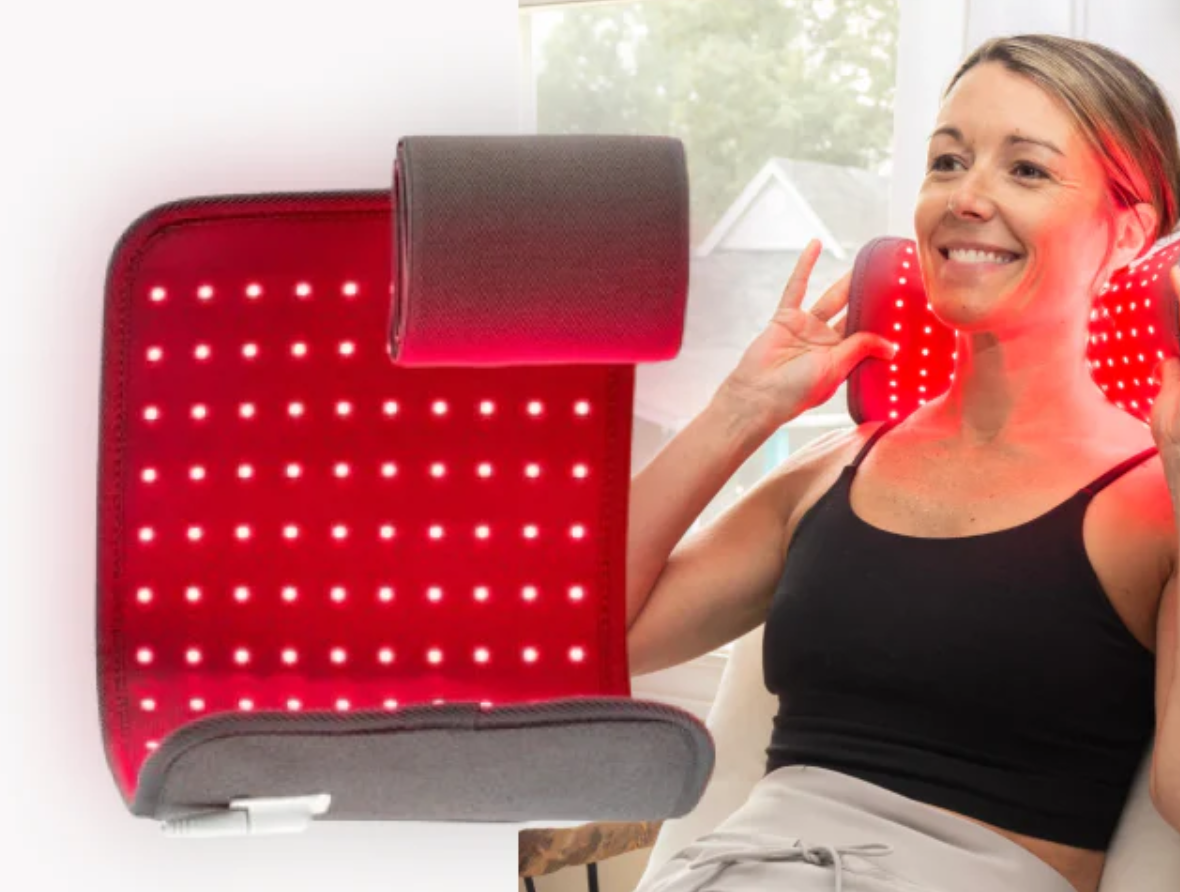
660nm red light and 850nm near-infrared light (red light is great for skin and tissue repair, while near-infrared is best for joints, muscles, and connective tissue)
Irradiance (Power Density): Look for a device with an irradiance level of at least 100mW/cm² for effective treatment within a reasonable session time.
EMF Levels: Ensure the device is low-EMF to avoid unnecessary exposure.
After shopping around for those specs, I landed on and now recommend the Novaa Red Light. Here's a link for $20 off: https://novaalab.com/?referral_code=GrMbWdGGfdA7mPEYY1.
Tools like this aren't a replacement for skilled bodywork, but they certainly complement it well and create more comfort in between sessions.